When the Doctors Say Your Baby May Have a Disability:
Choosing Life with Courage, Faith, and Real Hope

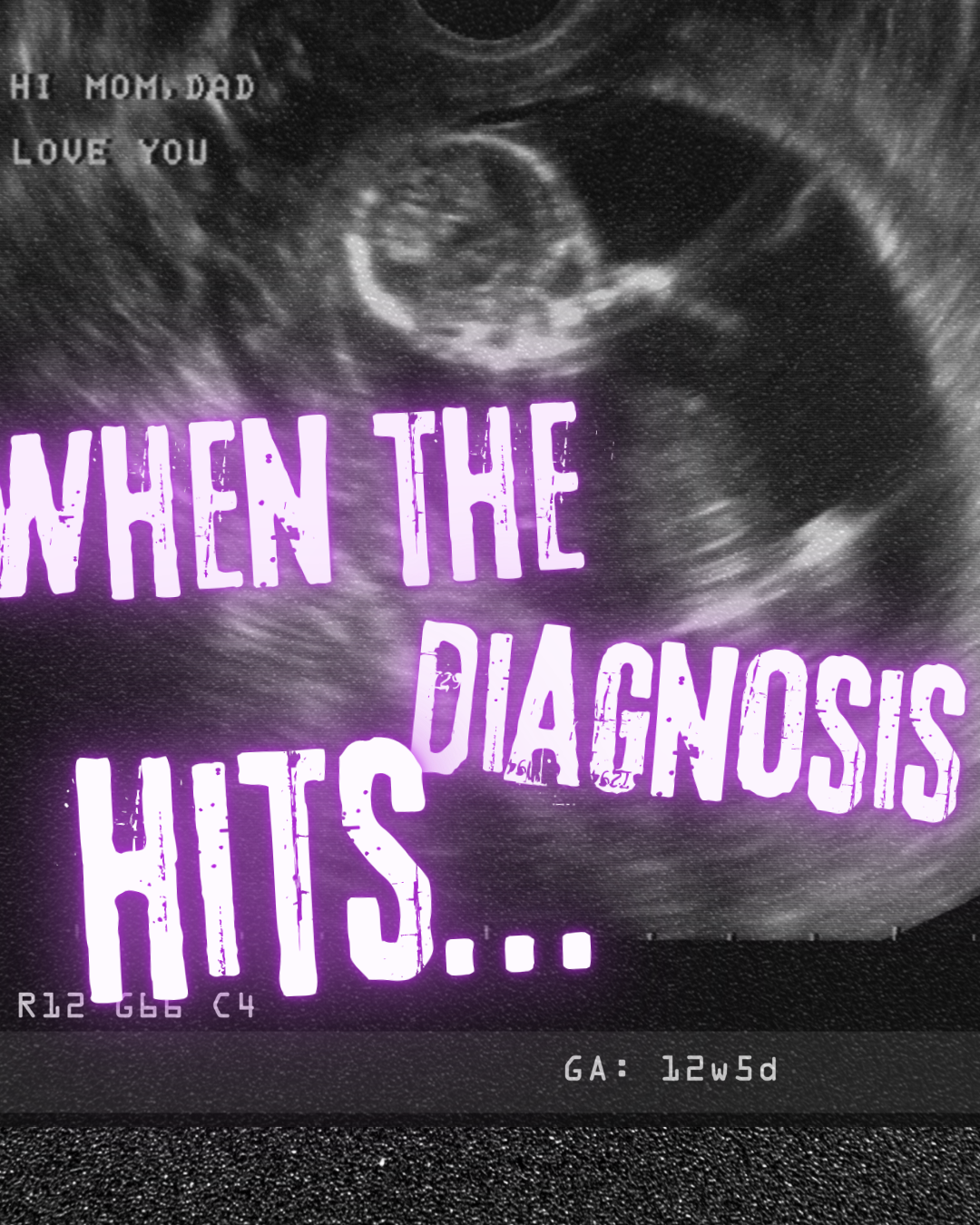
When a doctor looks at you and says, “Your baby may have a disability,” it hits like a truck.
Your heart drops. Your brain spirals. And suddenly, your whole future feels blurry.
But hear me, girl to girl: fear doesn’t get to make your choices. Hope does.
And you deserve every ounce of hope.


When the Diagnosis Drops:
The Moment Everything Feels Scary
I know exactly how that moment feels.
The room gets quiet, your hands shake, and your mind races:
“Will my baby suffer?”
“Can I handle this?”
“What if I’m not strong enough?”
And then doctors say the line everyone hears:
“You have options.”
But what they’re offering usually isn’t hope…
It’s an escape from fear.
Let me tell you something as someone living with a disability:
Fear lies. Disability doesn’t erase purpose.


My Story: Proof That a “Different” Life Can Still Be a Beautiful One
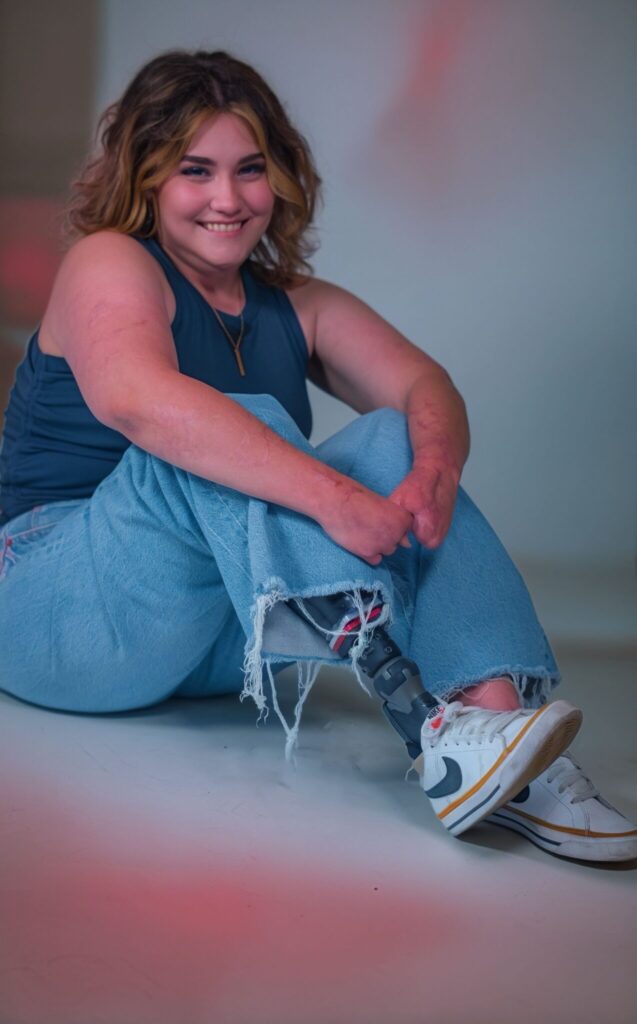
I didn’t grow up imagining wheelchairs, scars, or amputations.
My life flipped in one night. I went from running errands to fighting for my life on a ventilator. A medical crisis took my limbs and changed everything.
Doctors said I’d lose my independence.
Girl, they said “different” like it meant “less.”
But here’s the truth:
 
✨ I’m a wife.
✨ A mom.
✨ A business owner.
✨ A speaker.
✨ A survivor who rolls through life with wheels and heels.
 
I laugh. I create. I show up. I live boldly.
And yes—I drop things, spill things, and stare at shoes I can’t wear anymore. But you know what? I also get sunsets I almost missed, a son who hugs me tight, and a life filled with purpose.
Disability didn’t break me—God rebuilt me.
What the world calls “imperfect,” God calls intentional.
If someone had looked at my ultrasound and said,
“This child will be disabled,”
the world might’ve doubted my worth.
But I’m here. Thriving.
Living proof that a disability diagnosis does NOT erase a child’s future.


Your Baby’s Life Still Has Purpose

Hearing “birth defect” or “disability” can shake your confidence.
But choosing life—whether that means parenting or adoption—opens a door you didn’t even know existed.
Every heartbeat has meaning.
Every child carries potential.
Every life adds something irreplaceable to this world.
If parenting feels overwhelming, adoption is not “giving up.” It’s brave. It’s selfless. It’s choosing love in the middle of fear.
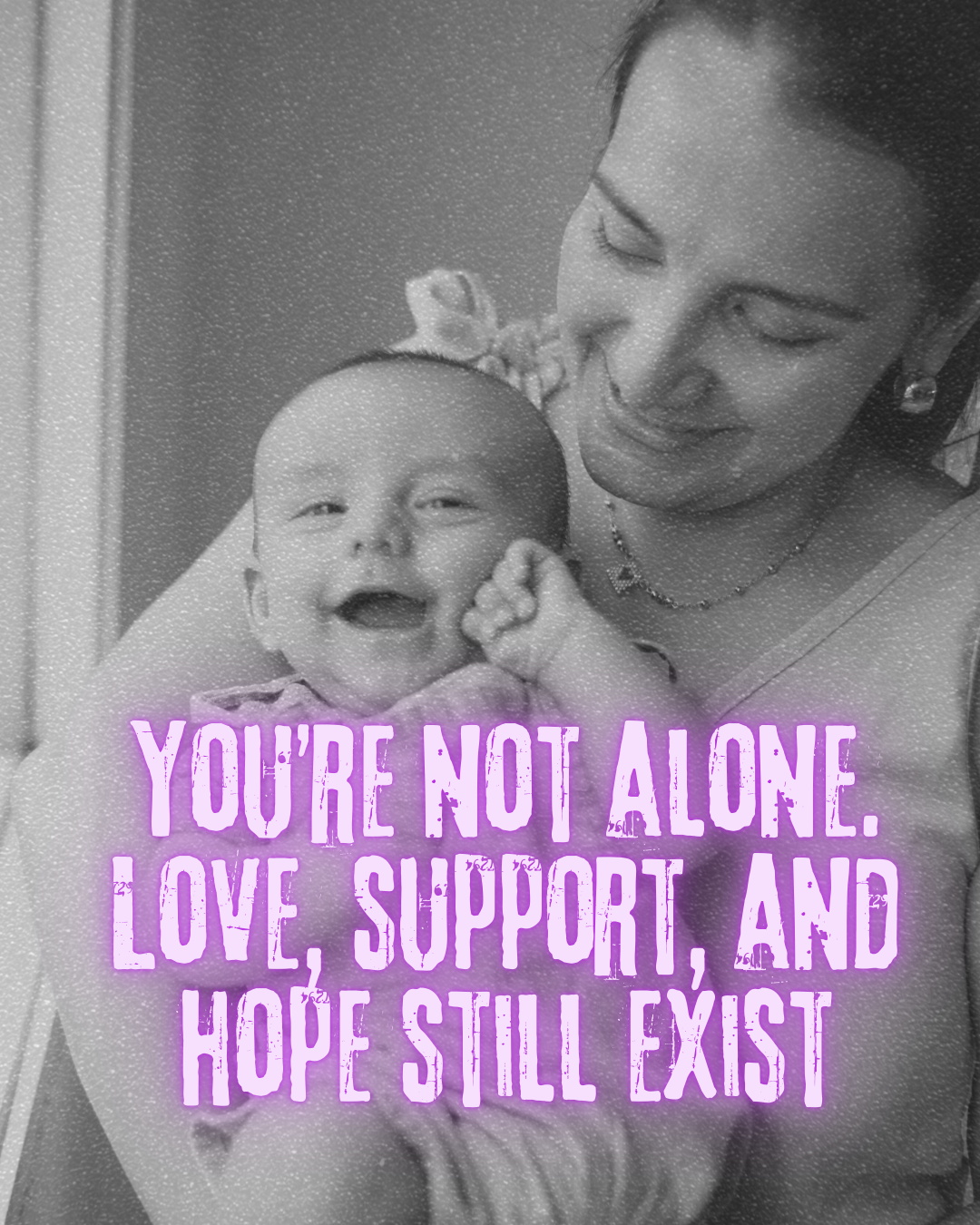
And if you parent your baby—girl, you won’t walk that road alone.
There are whole communities ready to support you, cheer for you, and help you find strength you didn’t know you had.


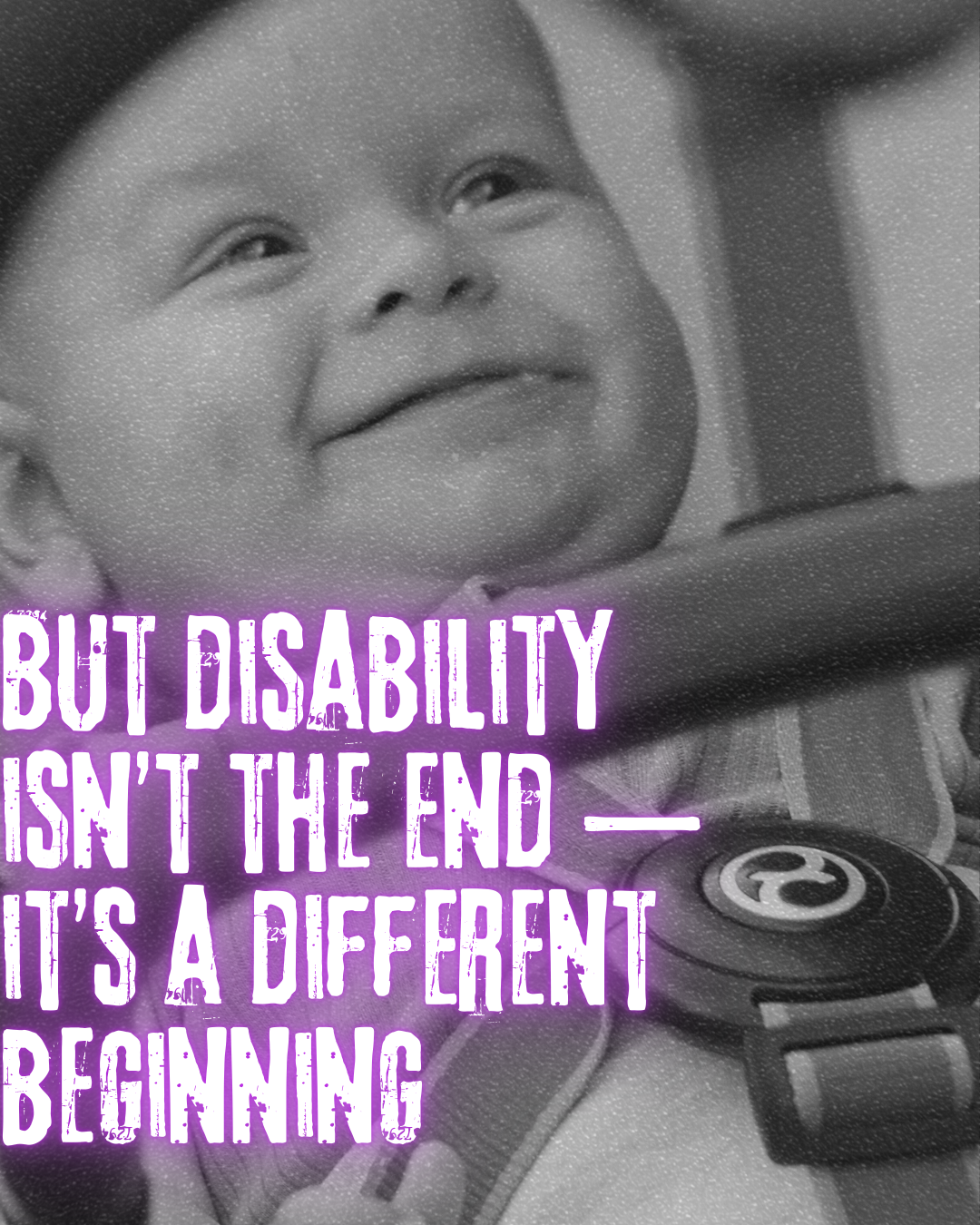
Real Stories That Prove Disability Isn’t the End—It’s the Beginning

Let me drop two stories that scream: Purpose > Diagnosis.



Jessica Long — Born Without Legs, Became a Paralympic Legend

Doctors said she wouldn’t walk.
She became a 23-time Paralympic medalist.
She didn’t just walk—
She ran past every expectation.


Nick Vujicic — Born Without Limbs, Became a Global Voice

Nick was born with no arms and no legs.
Now he’s a husband, a dad, a speaker, and a walking miracle of faith.

Both of them prove this:
A disability diagnosis doesn’t end a story—it launches it.


When You Choose Life After a Hard Diagnosis

Choosing life—through parenting or adoption—isn’t naive.
It’s brave.
Yes, you’ll cry and pray and wonder if you’re ready for this.
But you’ll also experience joy you didn’t see coming.
Your baby — whether they have ten fingers, two, or none — will look at you with a love that rewrites everything you feared.
And as someone living with a disability:
Life with challenges can still be full of joy, purpose, and insane amounts of beauty.
Limitations don’t stop destiny.
They amplify it.

.


Faith Over Fear: When God Meets You in the Unknown
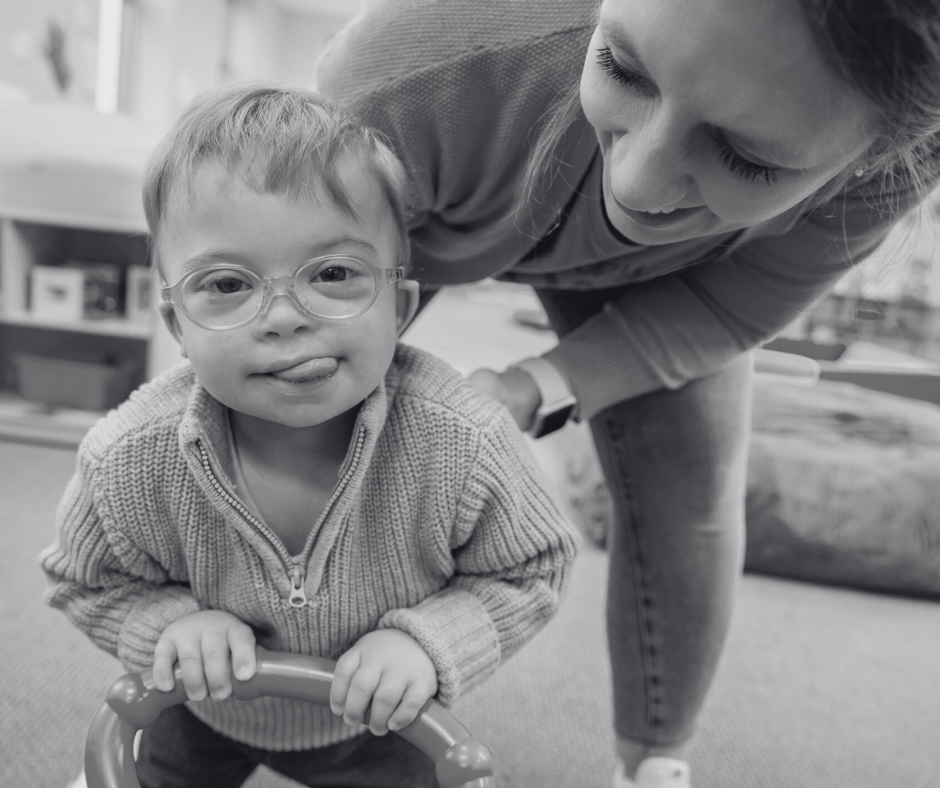
Fear screams.
Faith whispers.
But that whisper can change everything.
I’ve met moms who once heard the worst news from a doctor.
Years later, they look at their child and say:
 
“I can’t imagine life without them.”
If you’re in that fear moment right now, please hear me:
You don’t have to figure everything out today.
God is already in tomorrow.
For we live by faith, not by sight.” — 2 Corinthians 5:7


You Are Not Alone — Real Help Is Right Here
💕 You Are Not Alone — Real Help Is Right Here If your doctor thinks your baby may have a disability, you shouldn’t have to face that alone. Your local Pregnancy Resource Center (PRC) can walk this with you. They offer: 💚 Free pregnancy tests & ultrasounds 💚 Emotional and spiritual support 💚 Parenting help & adoption options 💚 Medical & financial referrals 💚 A judgment-free community that sees your worth They won’t pressure you. They won’t shame you. They’ll help you breathe again. “Be strong and courageous… for the Lord your God goes with you.” — Deuteronomy 31:6


Final Thoughts: Your Baby’s Story is Worth Fighting For

I’m an amputee, a mom, a survivor—and living proof that disability does not equal hopeless.
A diagnosis may explain something about your baby’s health…
But it will NEVER define their worth.
God doesn’t make mistakes.
He makes masterpieces.
Choosing life—especially when you’re scared—is choosing courage over fear, purpose over pressure, hope over hesitation.
Because:
✨ Every heartbeat is a miracle.
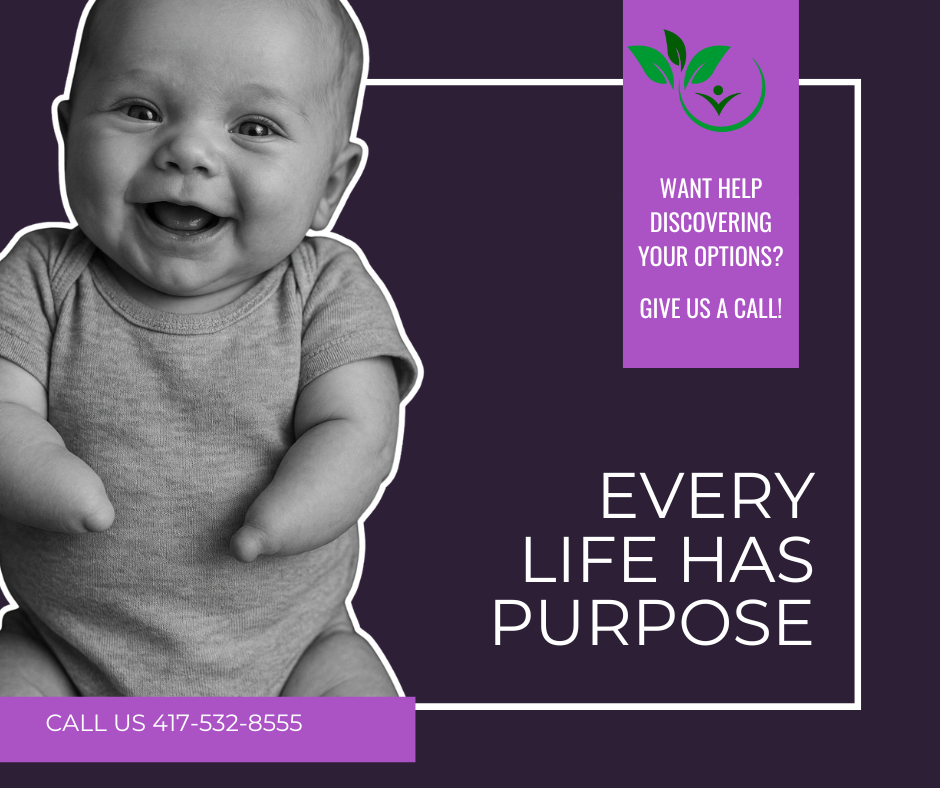
✨ Every life has purpose.
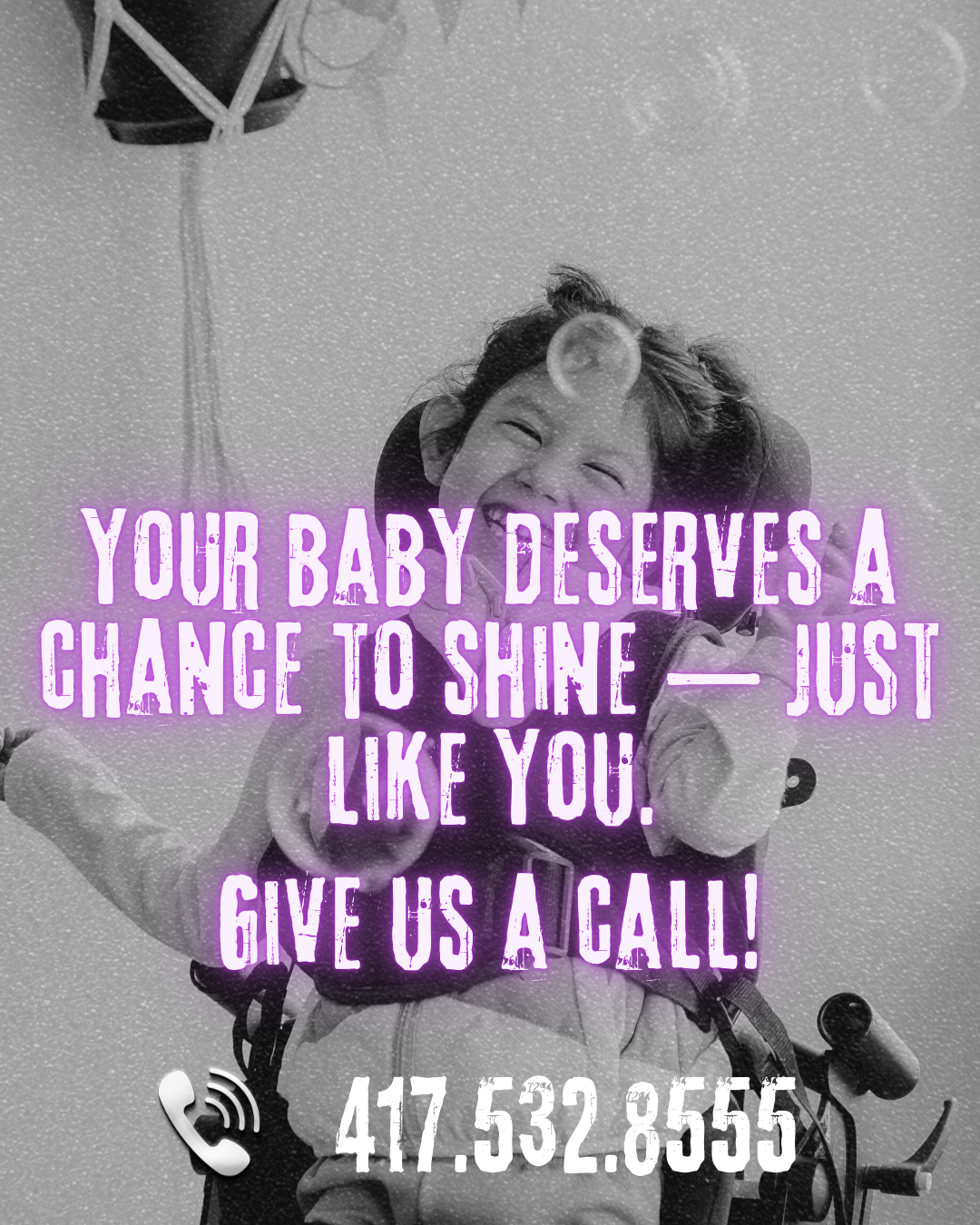
✨ Every child deserves the chance to shine. 💚
“For we are God’s masterpiece.” — Ephesians 2:10
 
 
Prenatal diagnostic testing is medical testing performed during pregnancy to help identify certain birth defects, genetic conditions, or developmental abnormalities in the fetus. Doctors often recommend these tests if you’re experiencing a higher-risk pregnancy, if something unusual shows up on an ultrasound, or if your family has a history of genetic conditions.
These tests don’t tell you who your baby will be — they simply provide information so you can understand what’s happening with fetal development.
screening test estimates whether your baby might have a certain condition. These tests don’t diagnose anything — they only show risk levels.
diagnostic test, such as amniocentesis or CVS (chorionic villus sampling), can confirm whether your baby actually has a specific condition or abnormality.
Think of screenings as “possible” and diagnostics as “confirmed.”
Amniocentesis is a diagnostic procedure usually done between 15–20 weeks of pregnancy. A small sample of amniotic fluid is taken to look for chromosomal conditions, genetic disorders, or certain birth defects.
Doctors typically offer this test when a screening comes back abnormal, when a mom is at higher risk, or when there are concerns about fetal development.
Absolutely not. A prenatal diagnosis doesn’t predict the beauty, purpose, personality, or long-term outcomes of your child’s life. Many families raising children with disabilities describe their children as joyful, loving, resilient, and life-changing in the best ways.
A diagnosis can feel overwhelming — but it does not define your baby’s worth or potential.
Prenatal testing can detect certain conditions such as:
  • Chromosomal differences (like Down syndrome)
  • Neural tube defects
  • Limb differences (such as missing fingers, toes, or limb abnormalities)
  • Congenital heart defects
  • Certain genetic syndromes
However, many disabilities or developmental delays cannot be detected before birth — and many children with prenatal diagnoses go on to thrive.
“Abnormality” simply means something looked different than expected in fetal development. It does not always mean a serious problem. Many findings resolve on their own or have minimal long-term impact.
Your doctor may recommend follow-up ultrasounds, screening tests, or diagnostic procedures to understand more.
Yes. Screening tests especially can produce false positives or unclear results. Even diagnostic tests, while very accurate, are not perfect.
Some families later learn that the condition was milder — or not present at all.
This is why getting a second opinion and speaking with specialists is always recommended.
Families cope in different ways, but many find strength in:
  • Support groups
  • Counseling
  • Faith communities
  • Pregnancy resource centers
  • Medical specialists
  • Other parents raising a child with a disability
Hearing from parents who have walked this path can bring incredible comfort and clarity.
Early-intervention programs, pediatric specialists, and developmental therapists can help you understand your child’s potential long-term outcomes.
Many children diagnosed prenatally grow up to attend school, form friendships, participate in activities, and live meaningful lives.
Remember: A diagnosis is not a destiny.
Take your time, breathe, and get all the information you need.
Talk to doctors, counselors, and trusted supporters.
Reach out to a pregnancy resource center where you can receive emotional support and practical help — without pressure.
Most importantly, remember: you are capable, your baby has value, and you do not have to face any of this alone.
Adoption is a courageous, loving option. Many families are open to adopting children with disabilities or developmental differences.
Agencies can help you connect with families specifically prepared and excited to raise a child with special needs.
Take your time, breathe, and get all the information you need.
Talk to doctors, counselors, and trusted supporters.
Reach out to a pregnancy resource center where you can receive emotional support and practical help — without pressure.
Most importantly, remember: you are capable, your baby has value, and you do not have to face any of this alone.


Jessica Long – Paralympic Athlete:
https://en.wikipedia.org/wiki/Jessica_Long

Nick Vujicic – Motivational Speaker:
https://en.wikipedia.org/wiki/Nick_Vujicic

Long-term outcomes of prenatal diagnoses:
https://pmc.ncbi.nlm.nih.gov/articles/PMC4570471/

Parental resilience after fetal anomaly diagnosis:
https://academic.oup.com/jpepsy/article/48/2/181/6833185

Ethics of disability & prenatal screening:
https://journalofethics.ama-assn.org/article/keeping-backdoor-eugenics-ajar-disability-and-future-prenatal-screening/2016-04

Prenatal testing & disability studies:
https://dsq-sds.org/article/view/1767/3096

Prenatal diagnosis & infant disability review:
https://pmc.ncbi.nlm.nih.gov/articles/PMC2517190/

Rare monogenic causes & prenatal detection:
https://ojrd.biomedcentral.com/articles/10.1186/s13023-020-01599-y